
The contractors are finished, the dumpster is gone and the new kitchen looks great from the doorway. Then you run a hand along the top of a cabinet and it comes back white. Construction dust gets into every corner of a house, and a "broom clean" from the crew is not the same as a home that is ready to live in.
Here is what a real post-construction clean involves: the phases, what gets done in each room, why drywall dust is the hard part, and how to time it with your contractor.
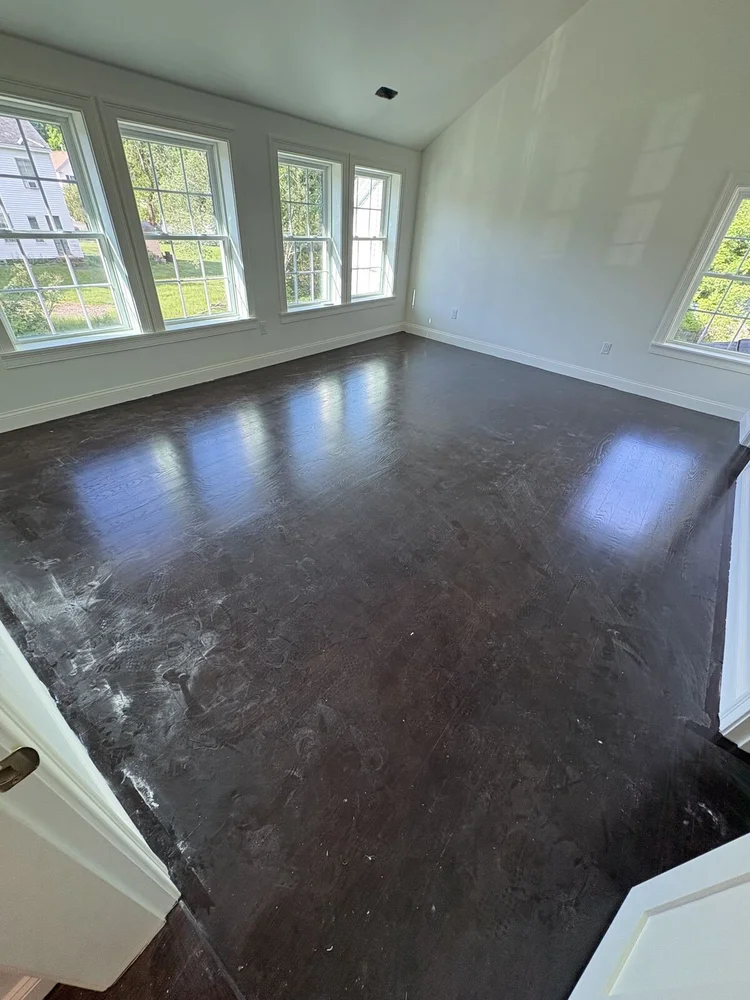
The Three Phases of Post-Construction Cleaning
On larger projects, cleaning happens in stages. On a smaller renovation the phases may fit into a single visit, but the order of work is the same.
1. Rough clean
The rough clean happens once the heavy work is done. The goal is to get the bulk out: leftover debris, packaging, stickers and labels, and the thick layer of dust on high surfaces, walls and floors. Everything gets a first pass so the fine work can start.
2. Final clean
This is the detailed clean, and it is most of the work. Every surface is dusted, vacuumed and wiped from the ceiling down. Cabinets are cleaned inside and out, windows and tracks are detailed, kitchens and bathrooms are fully cleaned, and floors are HEPA vacuumed and then mopped. When the final clean is done, the space should be ready for furniture.
3. Touch-up
Construction dust keeps settling for days after the work stops. A touch-up visit a few days later, or right before move-in, catches that dust along with fingerprints and footprints from the last trades through the door.
What a Final Clean Includes, Room by Room
Here is what a full final clean covers. A smaller scope is possible, but this is what "move-in ready" looks like.
Every Room
- Ceilings, corners and high edges dusted
- Walls HEPA vacuumed and wiped down
- Light fixtures, ceiling fans and vent covers cleaned
- Door frames, doors, baseboards and trim wiped
- Switch plates, outlet covers and handles cleaned
- Stickers, labels and tape residue removed
- Floors HEPA vacuumed, then mopped
Kitchen
- Cabinets and drawers cleaned inside and out
- Countertops and backsplash wiped and polished
- Appliances cleaned inside and out, including the oven and fridge
- Protective film removed from new appliances and fixtures
- Sink, faucet and under-sink area cleaned
Bathrooms
- Tile, grout and glass cleaned of dust and haze
- Tub, shower, toilet and sink scrubbed and sanitized
- Vanity cleaned inside and out
- Mirrors and fixtures polished
- Exhaust fan cover cleaned
- Grout haze addressed where possible
Windows & Doors
- Interior glass cleaned
- Window frames and sills wiped
- Window tracks vacuumed and cleaned out
- Sliding door tracks cleared of debris
- Exterior doors and thresholds wiped
Closets, stairs and railings, built-ins and any basement or garage the trades used as a workspace get the same treatment.
Why Drywall Dust Is the Real Problem
Sawdust is coarse. You can see it, sweep it and be done. Drywall dust is a fine mineral powder that floats for hours, passes through ordinary vacuum filters and settles on every surface in the house, including rooms the contractors never worked in. It gets into cabinet interiors, closet shelves, window tracks and ductwork.
Wiping it with a damp cloth smears it into a chalky film, and a regular vacuum blows the finest particles back into the room. The right order is a HEPA vacuum first, on walls as well as floors, then a wipe with cloths that are changed often, then a mop. Mopping first just turns the dust into paste.
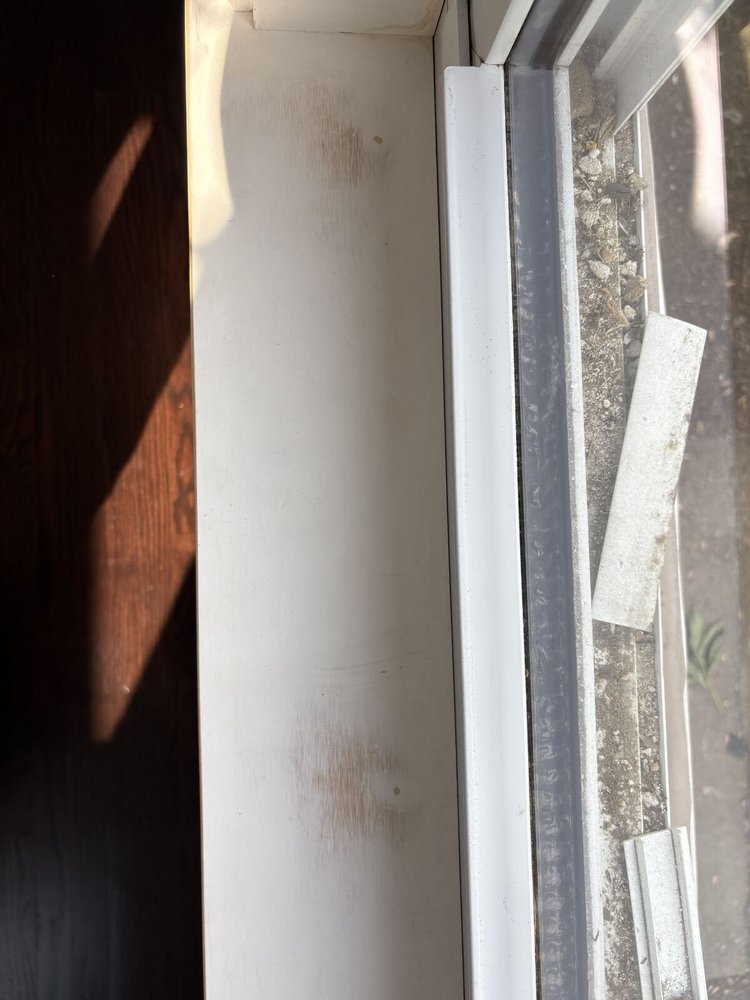
The Spots That Always Get Missed
- Window and sliding door tracks
- The tops of door frames, cabinets and trim
- Inside new cabinets and drawers, which ship with dust and packaging residue
- Light fixtures, fan blades and vent covers
- Protective film and stickers on appliances, fixtures and glass
- Closets and the rooms next to the work area
How This Is Different From a Regular House Cleaning
A regular house cleaning maintains a home that is already clean. A post-construction clean starts from zero. Every surface is dirty, including the ones a maintenance clean never touches: the inside of cabinets, the tops of door frames, the walls themselves and the window tracks.
It also takes different tools and more time: HEPA vacuums, a lot of microfiber, scrapers for stickers and paint drips, and products that cut through grout haze and adhesive. That is why post-construction cleaning is quoted separately, based on the size and condition of the space.
Timing the Clean With Your Contractor
Wait until the trades are done
The most common mistake is cleaning too early. If the painter still has a final coat to do or the electrician is coming back to hang fixtures, the cleaning gets undone. Ask your contractor for the date of the last trade visit and schedule the final clean after it.
Ask what "broom clean" means in your contract
Most contracts promise the site will be left broom clean. That usually means debris removed and floors swept, nothing more.
Make sure the utilities are on
A thorough clean needs running water and power. If the project involved new plumbing or electrical, confirm it is live before cleaning day.
Leave a gap before furniture and move-in
If you can, schedule the final clean a few days before the furniture arrives. That leaves room for a touch-up once the last of the dust settles. And remember that dust travels: if the renovation was one room, the rooms around it need attention too.
New Build or Just Bought a Renovated Home?
The same approach applies to a brand-new house or a home renovated before it went on the market. New construction comes with sticker residue, dust in every cabinet and film on every fixture. A move-in cleaning before the boxes arrive is the easiest time to get all of it.
Let Us Handle the Dust
Every Kind Cleaning does post-construction cleaning across the North Shore for homeowners, contractors and property managers, from single-room renovations to new builds. Tell us the size of the space and what was done, and we will quote the right level of clean.
Get Your Post-Construction Cleaning Quote
Tell us the size of the space, what work was done and when the contractors finish. Photos help us quote quickly.
Post-Construction Cleaning FAQs
What is included in a post-construction cleaning?
A full final clean covers every surface from the ceiling down: walls, trim, fixtures and vents, cabinets inside and out, windows and tracks, kitchens and bathrooms, sticker and residue removal, and HEPA vacuuming and mopping the floors.
When should post-construction cleaning be done?
After the last trade has finished and before furniture or move-in. If the painter or electrician still has a return visit, wait until it is done.
Is post-construction cleaning different from a deep cleaning?
Yes. A deep cleaning works on a lived-in home. Post-construction cleaning deals with drywall dust on every surface, including walls, cabinet interiors and window tracks, plus stickers, film and grout haze. It takes different tools and more time, so it is quoted separately. See post-construction cleaning.
How long does a post-construction clean take?
It depends on the size of the space and how much dust there is. A single renovated bathroom can take a few hours, while a whole-house renovation or new build can take a full day or more with a crew.
Do you work with contractors and builders?
Yes. We do final cleans for contractors, builders and property managers as well as homeowners, and we plan around your handover schedule.